About Bits to
Breakthroughs
Bits to Breakthroughs brings together clinicians, data scientists and other stakeholders working across health, medicine and data. The initiative exists to create space for people with different expertise to work through shared research questions, exchange experience and find practical ways to move from data to useful outcomes.
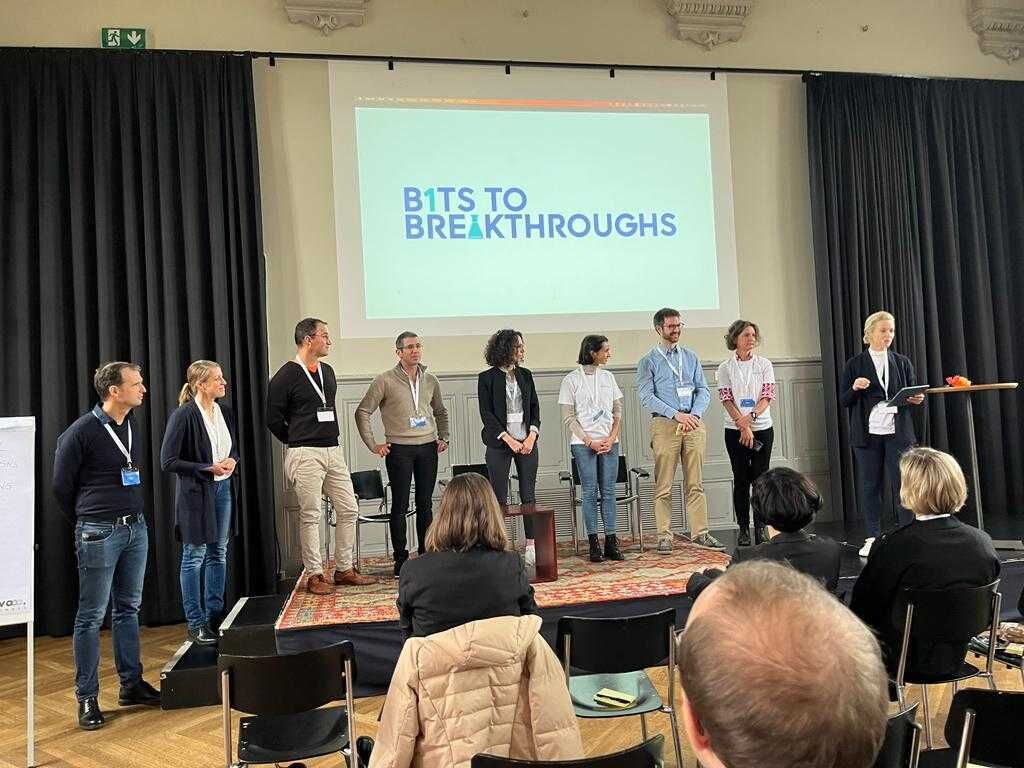
Bringing complementary expertise together.
Health and biomedical research increasingly depends on data, but working with that data brings together different disciplines, methods and ways of thinking.
Bits to Breakthroughs creates a space for those perspectives to meet. The aim is to make it easier for people working with clinical data, data science and related fields to communicate, share what they have learned and work on questions together.
The focus is not simply on collecting more data or developing new methods. It is on understanding how those things can be used to answer meaningful research questions and contribute to better outcomes.
From clinical data to research outcomes.
Bits to Breakthroughs explores the different stages between a clinical question and a useful research outcome.
The initiative brings together clinical knowledge, health data, data science and methodological expertise to examine how these pieces can work together.
Earlier editions have focused on sepsis and infectiology, while the programme has evolved to explore questions around observational data, causal study design, data modelling and artificial intelligence.
The Bits to Breakthroughs approach:
Stage 01
From Reality to Bits
Turning clinical reality and observations into data that can be used for research.
Stage 02
From Bits to Data Science
Working with data and methods to understand patterns and answer research questions.
Stage 03
From Data Science to Breakthrough
Using analysis and modelling to develop new insights and approaches.
Stage 04
From Breakthrough to Reality
Connecting research outcomes back to clinical practice.
The people behind
Bits to Breakthroughs.
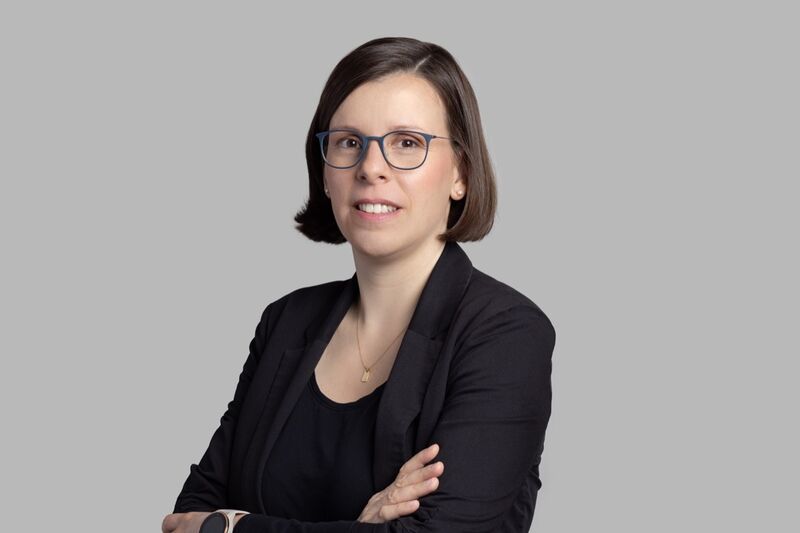
Catherine Jutzeler
Assistant Professor of Biomedical Data Science, ETH Zurich
Catherine Jutzeler is an Assistant Professor of Biomedical Data Science at ETH Zurich and heads the Biomedical Data Science Lab at the Department of Health Sciences and Technology. She is co-founder of the Bits to Break Through conference and leads NDS-IICU, a Swiss-wide multicentre study investigating sepsis and critical illness using large-scale clinical, microbiological and genomic data. Her research focuses on applying machine learning and data science to real-world clinical data to improve disease prediction, biomarker discovery and precision medicine.
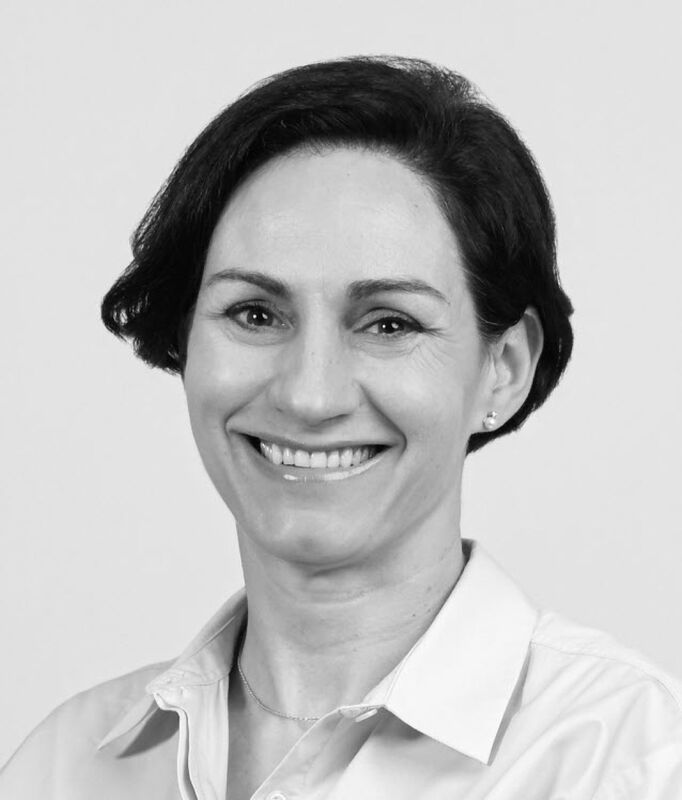
Olga Endrich
Head of Health Information Management and Medicine Product Line IDSC and Data & Analytics Epic, Inselspital Bern
Olga Endrich is Head of Health Information Management and leads the Medicine Product Line IDSC and Data & Analytics Epic, Inselspital Bern. She is co-founder of the Bits to Break Through conference and works at the intersection of clinical data, health information management and data science. Her work is dedicated to building data-driven products across the full pipeline from clinical source systems to actionable insight: structuring hospital data, transforming it into semantic representation and applying machine learning to enable prediction and clinical decision support at scale.
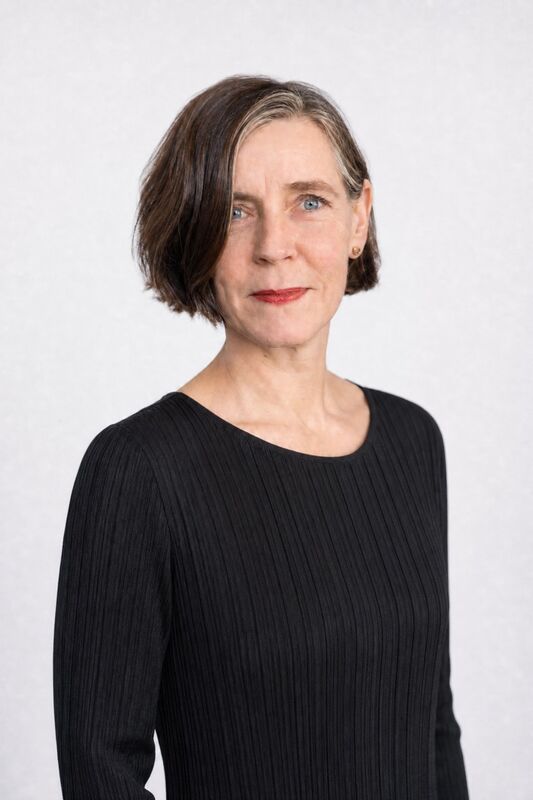
Natalie Breitschmid
Independent Experience Designer
Natalie Breitschmid is an independent experience designer specialising in human-centred and hands-on workshop formats. Drawing on extensive project-management experience, she applies Design Thinking, co-creation and agile, iterative methods to complex transformation challenges. Her work focuses on helping multidisciplinary teams translate data and stakeholder insights into practical solutions and progress in health and medicine.
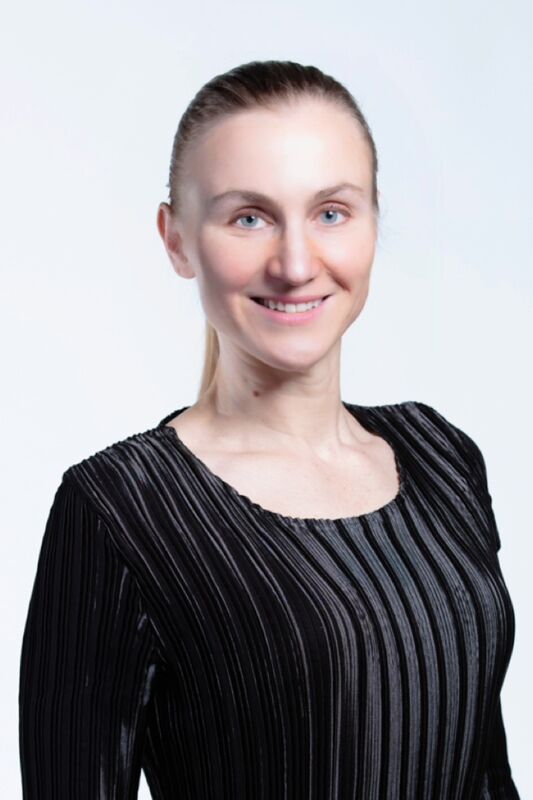
Oksana Riba Grognuz
Strategic Leader in Responsible Technological Innovation, Swiss Data Science Center
Oksana Riba Grognuz is a strategic leader in responsible technological innovation, with a strong focus on biomedical data, research infrastructure and AI. At the Swiss Data Science Center (SDSC), she leads initiatives that bridge research and production, developing the infrastructure capabilities needed to translate innovative ideas into robust and reusable solutions. Her work brings diverse stakeholders together to ensure that technological developments respond to real needs and create lasting value.
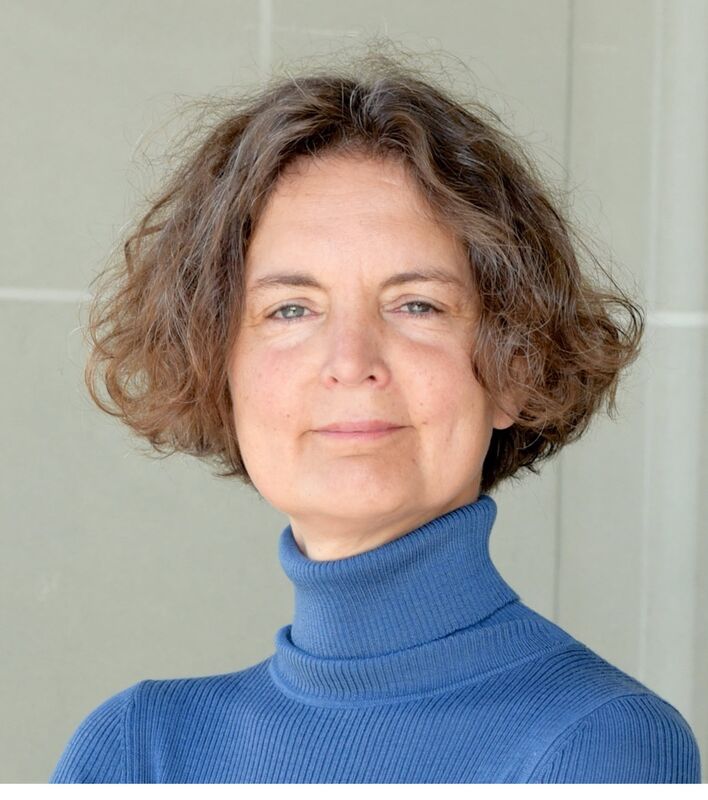
Karen Triep
Clinical Data, Semantic Interoperability and Digital Health, Inselspital Bern
Karen Triep works at the intersection of clinical data, semantic interoperability and digital health, with a focus on terminology and semantic methods for real-world healthcare applications. At Inselspital, Bern University Hospital, she contributes to projects involving terminology management, data harmonisation and the secondary use of clinical data for research, analytics and clinical applications. Her work connects clinical requirements with standards such as SNOMED CT, OMOP and SPHN to make complex clinical data more consistent, interpretable and reusable.
Working across organisations and disciplines.
Bits to Breakthroughs brings together people and organisations from clinical research, biomedical data science, health data infrastructure and related fields.
The initiative has been supported by: